Basic Information
| Field | Details |
|---|---|
| Full name | Lord William Charles Augustus Cavendish-Bentinck |
| Known as | Lord Charles Bentinck |
| Birth | 20 May 1780, Burlington House, Westminster |
| Death | 28 April 1826, Park Lane, Mayfair, London |
| Cause of death | Aneurysm |
| Parents | William Cavendish-Bentinck, 3rd Duke of Portland, and Lady Dorothy Cavendish |
| Siblings (notable) | William Henry, 4th Duke of Portland; Lord William Bentinck |
| Parliamentary seat | MP for Ashburton, 1807-1812 |
| Court office | Treasurer of the Household, 29 July 1812-28 April 1826 |
| First marriage | Georgiana Augusta Frederica Seymour, 21 September 1808-10 December 1813 |
| Second marriage | Anne Wellesley, 23 July 1816-28 April 1826 |
| Children | With first wife: Georgiana Augusta Frederica Henrietta (1811-1883). With second wife: Anne Hyacinthe (1816-1888), Rev. Charles William Frederick (1817-1865), Lt-Gen. Arthur (1819-1877), Emily (1820-1850) |
| Notable descendants | Queen Elizabeth The Queen Mother and Queen Elizabeth II through Rev. Charles; 6th Duke of Portland and Lady Ottoline Morrell through Lt-Gen. Arthur |
Origins and Family Connections
Lord Charles Bentinck was born into power. In 1780, he arrived to Burlington House as the younger son of the 3rd Duke of Portland, twice Prime Minister, and Lady Dorothy Cavendish, the sole daughter of the 4th Duke of Devonshire. His mother died in 1794, shadowing his adolescence but strengthening his ties to two of the most powerful ducal houses.
Two older brothers dominated. William Henry became 4th Duke of Portland and led conservative politics in the early 1800s. Reforming soldier-statesman Lord William Bentinck became Governor-General of India. Lord Charles moved more quietly, a small planet in this great ducal galaxy, but his private life burned brightly.
Parliament and Court: From Ashburton to the Royal Household
Lord Charles entered Parliament for little Devon town Ashburton in 1807. His five-year Commons career left little legislative legacy, but it positioned him for development. He became Treasurer of the Household on July 29, 1812, a prominent court position with ceremonial, patronage, and government whip functions. Without interruption, he served under Prince Regent turned King George IV and Prime Minister the Earl of Liverpool until his tragic death in 1826.
Offices mattered. Lord Charles became a trusted but discreet functionary at the intersection of court favor and parliamentary management in a stable government. He survived a public scandal in 1815-1816, testing patronage and Regency propriety. His family’s weight and the court’s loyalty helped him pass that exam.
A Regency Elopement That Shocked Society
Lord Charles and Anne, Lady Abdy, the beautiful and lively daughter of Richard Wellesley and Hyacinthe-Gabrielle Roland, eloped on September 5, 1815. Anne married Sir William Abdy in 1806. She was related to Britain’s most famous soldier, the Duke of Wellington, through Wellesley blood. The love drama quickly became legal. Sir William sued Lord Charles for criminal conversation, seeking adultery damages. The demand was £30,000. The prize was £7,000. It was unpaid.
Anne was divorced by Parliament on 25 June 1816. She married Lord Charles three weeks later, on July 23, 1816. Their first child, Anne Hyacinthe, was born on 1 September 1816 and legitimated by marriage. The controversy captivated drawing rooms and newspapers. But the couple survived and prospered. It did not remove Lord Charles from his court role, which speaks as much about his family and patrons as it does about Regency politics’ moral flexibility.
Marriages and Children
Lord Charles married twice, both times into narratives that guaranteed attention in the gossip columns and the peerage books alike.
- First marriage: Georgiana Augusta Frederica Seymour, christened in 1782, apparently the daughter of courtesan Grace Elliott and fathered by the Prince of Wales and the 4th Earl of Cholmondeley. Wedding day was September 21, 1808. December 10, 1813, Georgiana died. Georgiana Augusta Frederica Henrietta (born 21 August 1811), their only child, was raised at Cholmondeley Castle by Lord Cholmondeley and died unmarried in 1883.
- Anne Wellesley, later Lady Charles Bentinck, born 29 February 1788, second marriage. On July 23, 1816, she married Lord Charles after her divorce from Sir William Abdy. Next came four children: Anne Hyacinthe (1 September 1816-7 June 1888), Rev. Charles William Frederick (8 November 1817-17 August 1865), and Lt-Gen.Emily (1820-6 June 1850) and Arthur (10 May 1819-11 December 1877).
A compact look at their offspring underscores the lasting dynastic footprint:
| Child | Life dates | Notes |
|---|---|---|
| Georgiana Augusta Frederica Henrietta | 1811-1883 | Daughter of first marriage; died unmarried; raised at Cholmondeley Castle |
| Anne Hyacinthe | 1816-1888 | Died unmarried in Cannes |
| Rev. Charles William Frederick | 1817-1865 | Clergyman; ancestor of Queen Elizabeth The Queen Mother and Queen Elizabeth II |
| Lt-Gen. Arthur | 1819-1877 | Soldier; father of the 6th Duke of Portland; ancestor of Lady Ottoline Morrell |
| Emily | 1820-1850 | Married Rev. Henry Hopwood; died young |
Wealth and Finances
As the younger son of a duke, Lord Charles lived well but not excessively. Despite his alliances and status, he did not inherit enormous lands. The 1816 criminal conversation case showed this. Sir William Abdy wanted £30,000, but the court awarded £7,000, which went unpaid and was widely believed to exceed Lord Charles’s finances. He valued office, family, and alliance over vast landed income.
Courtier Without a Paper Trail
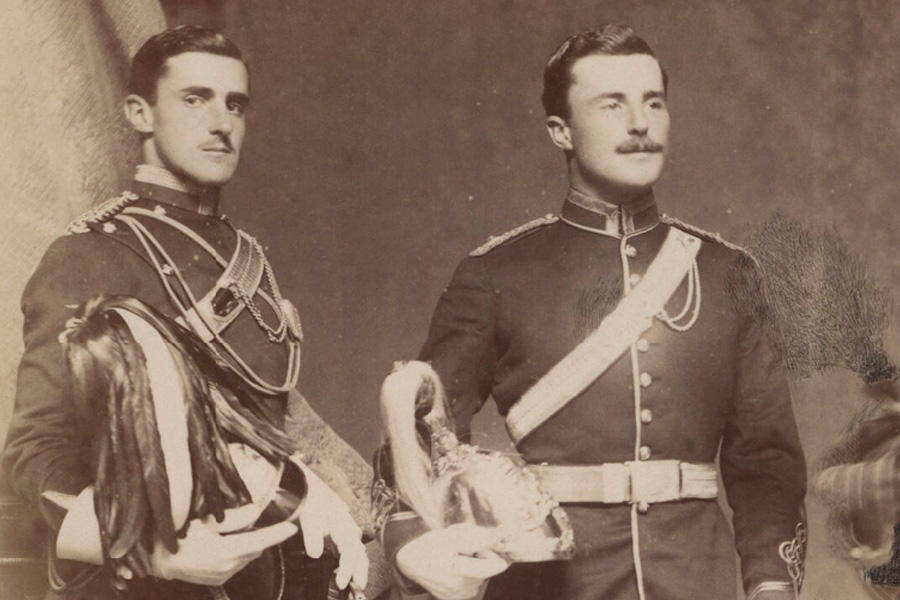
Contemporary and later chroniclers described Lord Charles as a mysterious figure in Parliament and a reliable Household figure. Nobody has found his memoirs or private letters in public archives. The silhouette is based on official appointments, lineages, and one scandal. His existence seems like a Regency cameo—delicately sculpted, socially sparkling, and slimmer than expected.
Death and Legacy
Aneurysm killed 45-year-old Lord Charles at his Park Lane apartment on 28 April 1826. He was buried with family. His wife, Anne, survived until 19 March 1875, watching their children establish a lineage that would influence British high society and the Crown.
Rev. Charles’ son Lt-Gen. produced Cecilia Nina Cavendish-Bentinck, mother of Queen Elizabeth and grandmother of Queen Elizabeth II.Lady Ottoline Morrell and Arthur, 6th Duke of Portland, were salon hosts. The scandalous Regency London elopement ended with 20th-century lines.
Timeline
| Date | Event |
|---|---|
| 20 May 1780 | Born at Burlington House, Westminster |
| 1794 | Death of his mother, Lady Dorothy Cavendish |
| 1807 | Elected MP for Ashburton |
| 21 September 1808 | Marriage to Georgiana Augusta Frederica Seymour |
| 21 August 1811 | Birth of daughter Georgiana Augusta Frederica Henrietta |
| 10 December 1813 | Death of his first wife |
| 5 September 1815 | Elopement with Anne, Lady Abdy |
| 29 July 1812 | Appointed Treasurer of the Household |
| 25 June 1816 | Anne Abdy’s divorce by Act of Parliament |
| 23 July 1816 | Marriage to Anne Wellesley |
| 1 September 1816 | Birth of daughter Anne Hyacinthe |
| 8 November 1817 | Birth of son Rev. Charles |
| 10 May 1819 | Birth of son Lt-Gen. Arthur |
| 1820 | Birth of daughter Emily |
| 28 April 1826 | Death in Mayfair, London |
Relationships at a Glance
- Parents: William Cavendish-Bentinck, 3rd Duke of Portland, and Lady Dorothy Cavendish
- Brothers: William Henry, 4th Duke of Portland; Lord William Bentinck, Governor-General of India
- First wife: Georgiana Augusta Frederica Seymour, reputedly tied to the Prince of Wales and the 4th Earl of Cholmondeley through her mother Grace Elliott
- Second wife: Anne Wellesley, daughter of Richard Wellesley and Hyacinthe-Gabrielle Roland
- Descendants: Royal and ducal lines, plus cultural figures such as Lady Ottoline Morrell
Reputation and Character
Lord Charles struck a strange balance between Parliament and the press in an age when reputations were made and broken. The public saw him as the man behind a stage-like elopement. He maintained a court office for nearly fourteen years for his clients. He moved lightly through the Commons and stood at the Household’s doorway as continuity. The difference is stark. A comet over scandal sheets, then a North Star of routine, serenity, and confidence in royal corridors.
FAQ
Who were Lord Charles Bentinck’s parents?
He was the third son of William Cavendish-Bentinck, 3rd Duke of Portland, and Lady Dorothy Cavendish, daughter of the 4th Duke of Devonshire.
What was the scandal associated with him?
In 1815 he eloped with Anne, Lady Abdy, leading to a criminal conversation suit and her 1816 divorce before they married.
What government office did he hold the longest?
He served as Treasurer of the Household from 29 July 1812 until his death on 28 April 1826.
Did the scandal end his career?
No, he retained his court post despite the public furor, reflecting both family influence and political loyalty.
How is he connected to the modern British royal family?
Through his son Rev. Charles, he is an ancestor of Queen Elizabeth The Queen Mother and Queen Elizabeth II.
Did he leave memoirs or significant correspondence?
No, there are no known memoirs or major collections of his private letters in public archives.
How did Lord Charles Bentinck die?
He died suddenly at age 45 from an aneurysm in his Park Lane apartment in Mayfair.
How many children did he have?
He had five children in total, one with his first wife and four with his second.